
Carved Over Millions of Years
Standing at the edge of the Grand Canyon, it is hard not to wonder how something so vast came to be. The short answer is water, time, and the slow rise of the land. The canyon is a story written in stone over millions of years. Here is how it formed, in plain terms.
The River Did the Cutting
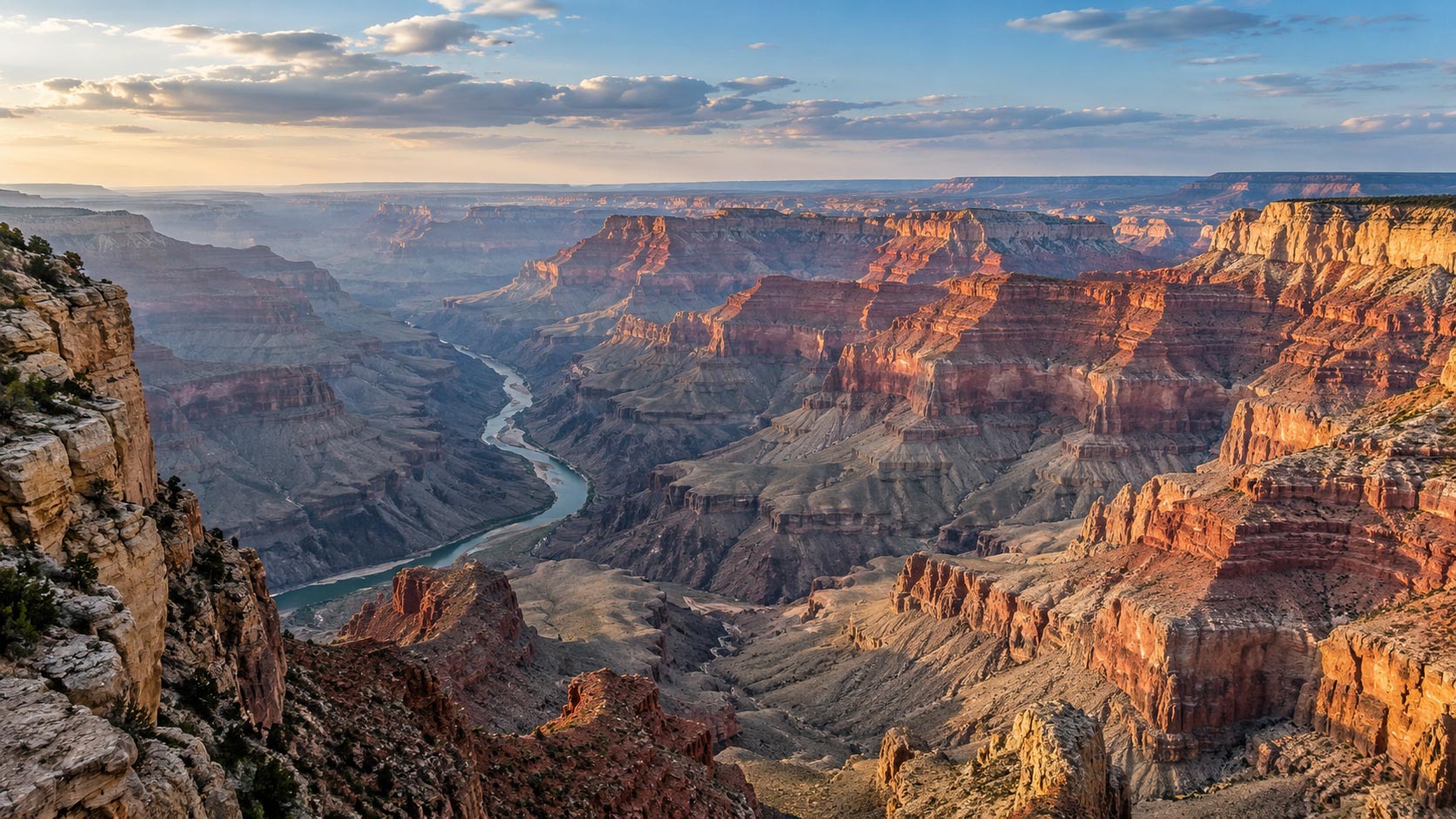
The main sculptor of the Grand Canyon is the Colorado River. For millions of years, the river has flowed across this region, carrying sand, gravel, and rock that act like sandpaper. Little by little, that grinding water carved down through the rock, deepening the canyon over immense stretches of time. The river is still at work today.
The Land Rose to Meet It
Cutting alone does not explain such depth. The region also sits on a broad uplift called the Colorado Plateau, which slowly rose over millions of years. As the land pushed upward, the river kept cutting down through it, like a saw held in place while wood is lifted into it. That combination, uplift plus erosion, is what made the canyon so deep.
Reading the Rock Layers
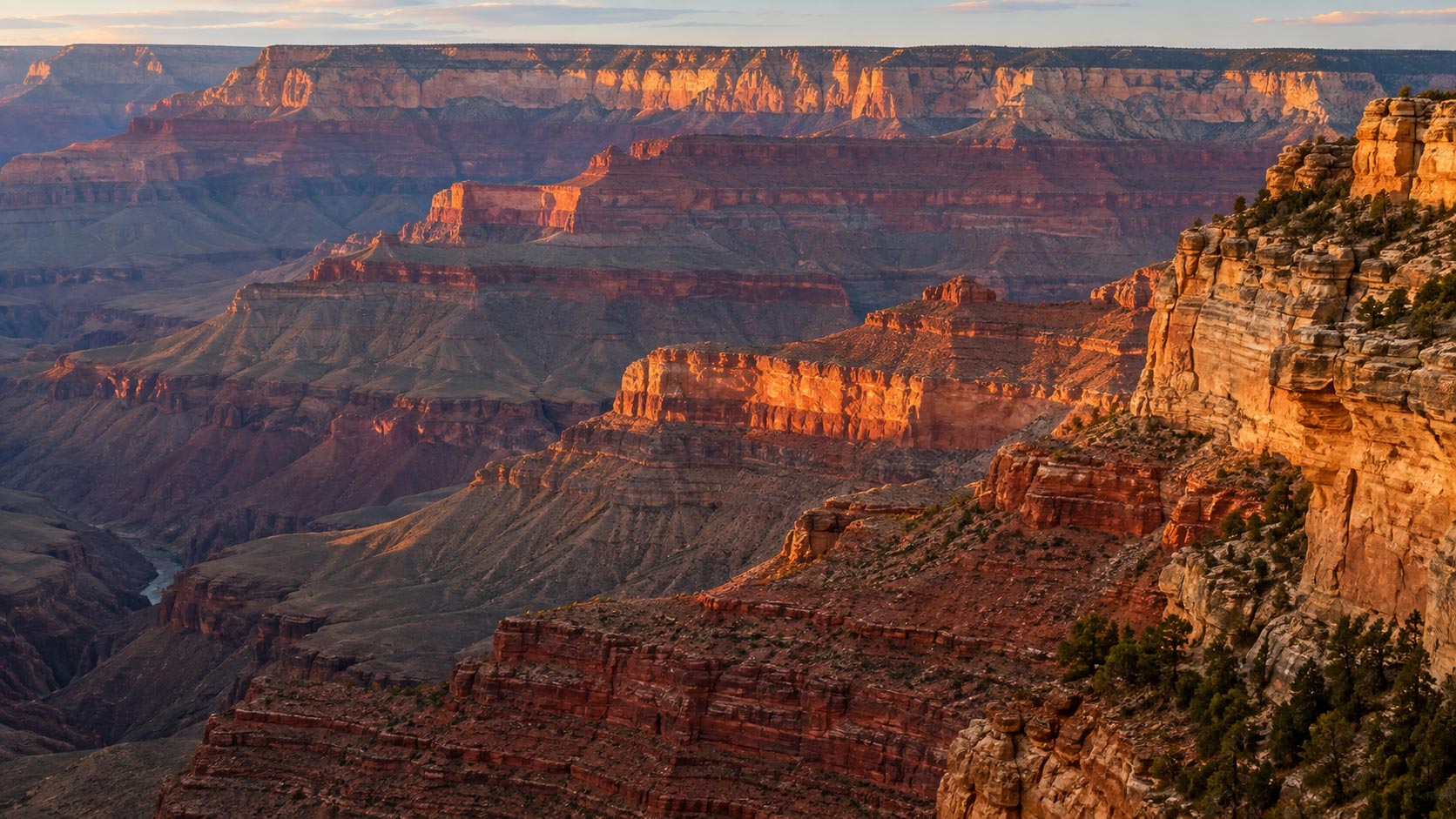
One of the most amazing things about the canyon is what the cutting revealed. The colorful horizontal bands you see are layers of rock laid down over vast periods, and the river exposed them one by one:
- The topmost layers are the youngest rock.
- The deeper you look, the older the rock becomes.
- The stone near the bottom is among the oldest exposed rock on earth, far older than the canyon itself.
In a sense, a walk from rim to river is a journey back through time.
Still Changing Today
The Grand Canyon is not finished. Wind, rain, freezing, and the river continue to shape it, ever so slowly. The changes are far too gradual to see in a lifetime, but the forces that built this wonder are still at work. That is part of what makes standing at the rim feel so powerful.
A Wonder Written in Stone
The Grand Canyon was formed by the Colorado River carving down while the land rose up, over millions of years, revealing layer after layer of ancient rock. Knowing the story adds even more awe to the view. On a guided tour, your guide can point out the layers and bring this incredible history to life. Ask us how to see it for yourself.